Журнали
-
Штучний інтелект
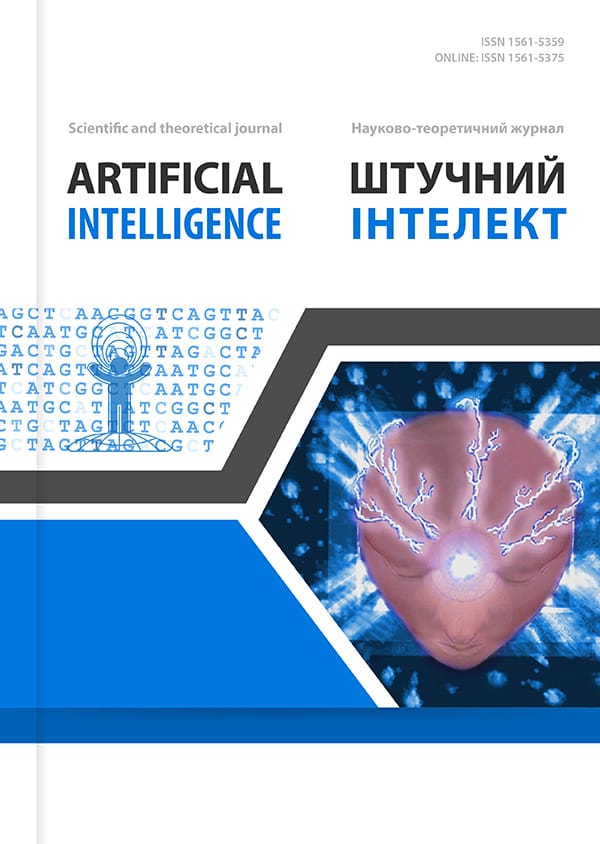
Журнал видається з 1995 року.
Журнал внесено до переліку фахових видань України, в яких публікуються основні результати дисертаційних робіт на здобуття наукових ступенів з фізико-математичних та технічних наук (Наказ МОН України від 15.04.2021 р. № 420). Журналу присвоєно ідентифікатор цифрового об’єкта DOI (Digital Object Identifier).
Редакція підтримує Будапештську ініціативу відкритого доступу BOAI (Budapest Open Access Initiative)
Засновники
Національна академія наук України (Відділення інформатики)

Інститут проблем штучного інтелекту Міністерства освіти і науки України і Національної академії наук України

Журнал зареєстрований у ISSN International Centre (International Standart Serial Number)
ISSN 2710-1673 (PRINT)
ISSN 2710-1681 (ONLINE)
«Stuc. intelekt»Свідоцтво про державну реєстрацію КВ №24609-14549ПР від 26.11.2020.
-
Публічно-управлінські та цифрові практики
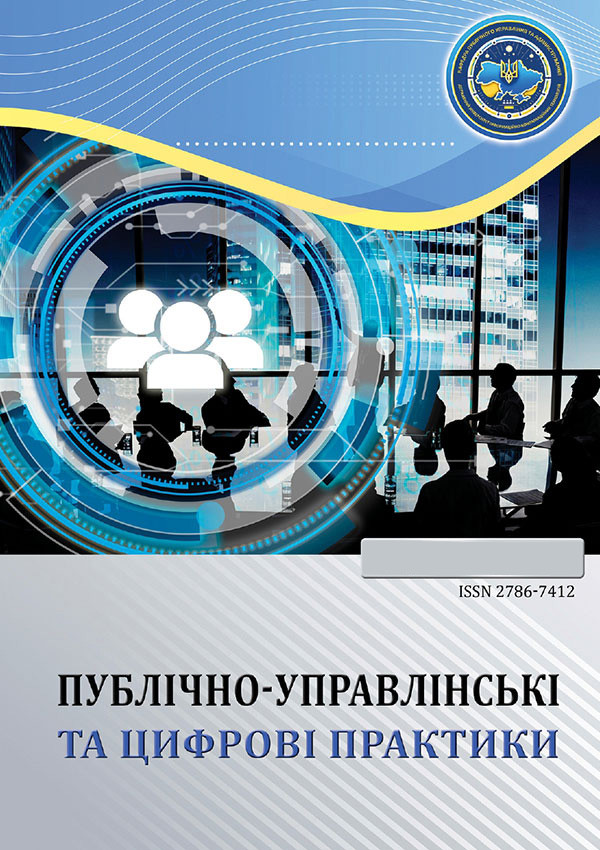
Назва: Публічно-управлінські та цифрові практики
Ліцензія Національної ради України з питань телебачення і радіомовлення: Державний університет інформаційно-комунікаційних технологій внесено до Реєстру суб’єктів у сфері медіа. Ідентифікатор наукового журналу «Публічно-управлінські та цифрові практики»: R30-02944 (рішення №863 від 21.03. 2024 р.).
Свідоцтво про державну реєстрацію друкованого засобу масової інформації: КВ № 25310-1525ОР
Вид видання: журнал
Статус видання: вітчизняне
Мови видання: українська, англійська
Вид видання за цільовим призначенням: наукове
Періодичність: 4 рази на рік
Сфера розповсюдження: загальнодержавна
Категорія читачів: фахівці тематики наукового журналу, вчені, науково-педагогічні працівники, докторанти, аспіранти, студенти
Тематична спрямованість: започатковано з метою розвитку вітчизняної системи публічного управління та адміністрування
УДК 35+004(051)
ISSN 2786-7412
DOI: 10.31673
Реферативні бази даних: Національна бібліотека України імені В.І. Вернадського, CrossRef, Index Copernicus International, Google Scholar
Засновник: Державний університет інформаційно-комунікаційних технологій (раніше – Державний університет телекомунікацій)
Адреса: вул. Солом’янська, 7, м. Київ, 03110, Україна
Web-сайт: https://journals.dut.edu.ua/index.php/public/about
Електронна пошта: pmdp@ukr.net; pmdp@duikt.edu.ua -
Сучасний захист інформації
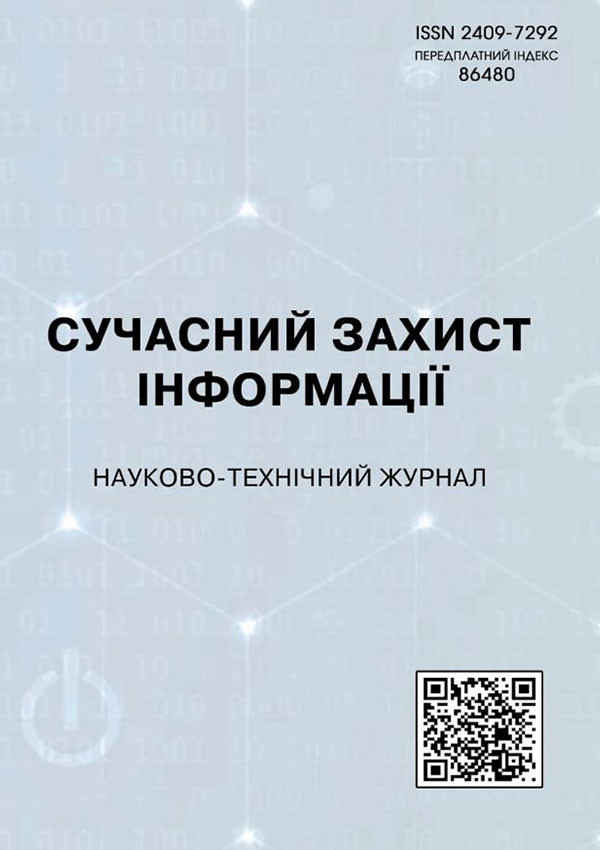
Назва: CУЧАСНИЙ ЗАХИСТ ІНФОРМАЦІЇ
Тематика: інформаційна безпека, засоби захисту інформації
Засновники: Державний університет телекомунікацій
Адреса: вул. Солом’янська, 7, м. Київ, 03680, Україна
Телефони: +380 (44) 298 34 40
Пошта: szi.journal@gmail.com
Web-сайт: http://www.dut.edu.ua/
Рік заснування: 2010
Ліцензія Національної ради України з питань телебачення і радіомовлення: Державний університет інформаційно-комунікаційних технологій внесено до Реєстру суб’єктів у сфері медіа. Ідентифікатор наукового журналу «Сучасний захист інформації»: R30-02946 (рішення №863 від 21.03. 2024 р.).
Свідоцтво про державну реєстрацію: Серія КВ № 20254-10654 ПР від 10 червня 2014 р.
Реєстрація у ВАК України: Постанова № 1-05/5 від 1 липня 2010 р.
Спеціальність ВАК: технічні науки -
Наукові записки Державного університету інформаційно-комунікаційних технологій
Журнал включено до категорії Б:- по спеціальності 172 - Електронні комунікації та радіотехніка (наказ МОН від 23.08.2023 №1035).- по спеціальності 122 - Комп’ютерні науки (наказ МОН від 25.10.2023 №1309).- по спеціальності 125 - Кібербезпека та захист інформації (наказ МОН від 25.10.2023 №1309).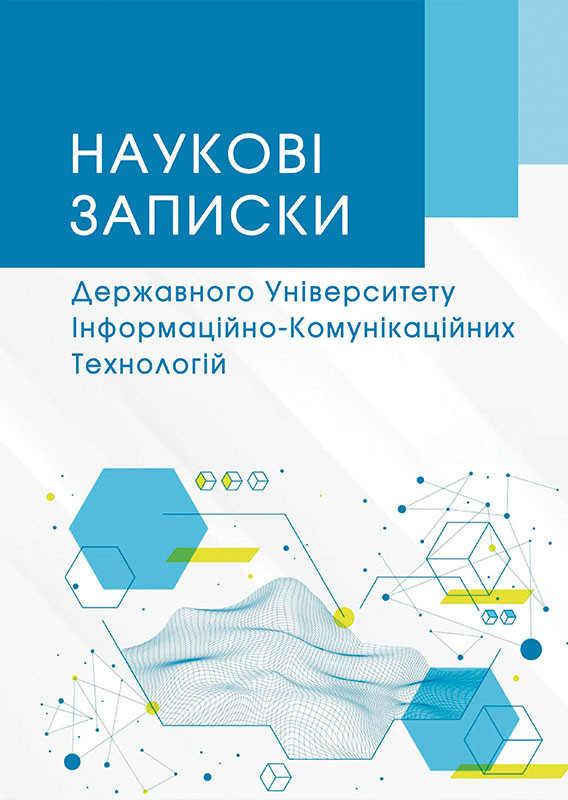

Назва: Наукові записки Державного університету інформаційно-комунікаційних технологій.
З 2006 до 2020 роки журнал виходив під назвою «Наукові записки Українського науково-дослідного інституту зв’язку».
Засновник: Державний університет інформаційно-комунікаційних технологій.
Рік заснування: 2021.
Ліцензія Національної ради України з питань телебачення і Радіомовлення: Державний університет інформаційно-комунікаційних технологій внесено до Реєстру суб’єктів у сфері медіа. Ідентифікатор наукового журналу «Наукові записки Державного університету інформаційно-комунікаційних технологій»: R30-02947 (рішення №863 від 21.03. 2024 р.).
Свідоцтво про державну реєстрацію: КВ № 24994-14934ПР від 20.09.2021 р.
ISSN: 2786-8362
УДК: 004:621
Спеціальності МОН: В журналі можуть публікуватись результати дисертаційних досліджень на здобуття наукових ступенів доктора наук та доктора філософії за спеціальностями 122, 125, 172.
Періодичність випуску: 2 рази на рік.
Адреса: вул. Солом’янська, 7, м. Київ, 03110, Україна
Телефон: +38 097 509 00 33
E-mail: makarenkoa@ukr.net
Web-сайт: http://journals.dut.edu.ua
Статті, опубліковані у науковому журналі “Наукові записки Державного університету інформаційно-комунікаційних технологій”, індексуються в наукометричних базах:




-
Економіка. Менеджмент. Бізнес

«Економіка. Менеджмент. Бізнес» – це економічний науково-практичний журнал, заснований Вищим закладом освіти: Державний університет інформаційно-комунікаційних технологій у 2010 році.
ISSN: 2415-8089 (Друк)
DOI 10.31673/2415-8089
Засновник: Державний університет інформаційно-комунікаційних технологій
Ліцензія Національної ради України з питань телебачення і радіомовлення: Державний університет інформаційно-комунікаційних технологій внесено до Реєстру суб’єктів у сфері медіа. Ідентифікатор наукового журналу «Економіка. Менеджмент. Бізнес»: R30-02945 (рішення №863 від 21.03. 2024 р.).
Свідоцтво про державну реєстрацію: КВ № 20874-10674 ПР (із змінами від 12.08.2014). Журнал видається за рішенням Вченої ради Державного університету інформаційно-комунікаційних технологій
Рік заснування журналу: 2010 рік
Тематика журналу: Висвітлення актуальних питань економіки, теорії та практики менеджменту, бізнесу.
Галузь науки: економічні.
Спеціальності: 051 – Економіка; 073 – Менеджмент; 075 – Маркетинг.
Періодичність видання: щоквартально (4 рази на рік).
Реферативні бази даних: Національна бібліотека України імені В. І. Вернадського, CrossRef, Index Copernicus International, Google Scholar, Bielefeld Academic Search Engine (BASE), Ulrichsweb Global Serials Directory.
Мова публікацій: українська, англійська
Політика (мета та завдання) наукового видання.
Видання публікує дослідження науковців, які працюють над актуальними науковими проблемами в галузі економіки. Журнал зорієнтовано на науковців, викладачів, студентів, а також усіх, кого цікавить розвиток науки в Україні. У науковому журналі публікуються тільки оригінальні статті.
Метою журналу «Економіка. Менеджмент. Бізнес» є сприяння розвитку наукового потенціалу ДУІКТ з питань економіки, менеджменту, сталого розвитку підприємств, інноваційних процесів макро- і мікрорівня, глобальних проблем економічного розвитку, стратегічного управління, маркетингу та освітніх інновацій; розширення простору публічної наукової комунікації в галузі економічних наук та наповнення якісним змістом наукової дискусії у контексті світової науки за науковими напрямками, що розвиваються у ДУІКТ; оприлюднення результатів наукових досліджень, інформування широкої наукової громадськості та забезпечення офіційного визнання нових результатів досліджень; інтеграція вітчизняної наукової дискусії у світовий науковий економічний простір. Розкриття цієї мети забезпечує координацію фундаментальних й прикладних наукових досліджень з економіки різних фахівців та сприяє їх актуалізації.
Завданням журналу є підвищення рівня якості економічної науки, а також створення унікальної науково-практичної платформи для висвітлення актуальних тенденцій і перспектив розвитку економічної науки та міждисциплінарних досліджень, розгляду теоретичних, методологічних та практичних аспектів менеджменту та маркетингу в економіці та управлінні бізнесом, аналізу та висвітлення останніх досягнень економічної науки, вільного обміну думками через публікацію відповідних наукових матеріалів.
Телефон: 380 (44) 248-86-01, +380 (44) 520-13-01, +380 (44) 249-25-75, +38 (067) 2087754
Електронна адреса: sazonovadut@gmail.com -
Вісник Державного університету телекомунікацій
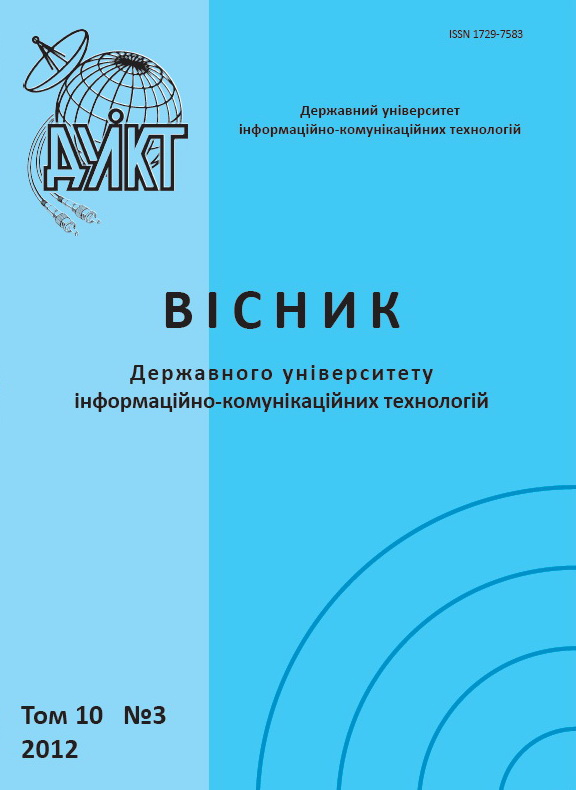
Назва: «Вісник Державного університету інформаційно-комунікаційних технологій». Починаючи з випуску №1 2014 р. журнал виходить під назвою «Телекомунікаційні та інформаційні технології»
Тематика: телекомунікації, інформаційні технології, обчислювальна техніка, навчальний процес
Засновник: Державний університет інформаційно-комунікаційних технологій
Рік заснування: 2003
Свідоцтво про державну реєстрацію: КВ №6846) від 04.01.2003 р.
Реєстрація у ВАК України: Постанова №1-05/1 від 10.02.2010 р.
Спеціальність ВАК: технічні наукиАдреса: вул. Солом’янська, 7, м. Київ, 03680, Україна
Телефони: +380 (44) 249 29 23; +380 (44) 249 29 13
Пошта: toroshanko@ukr.net
Web-сайт: http://www.dut.edu.ua http://journals.dut.edu.ua